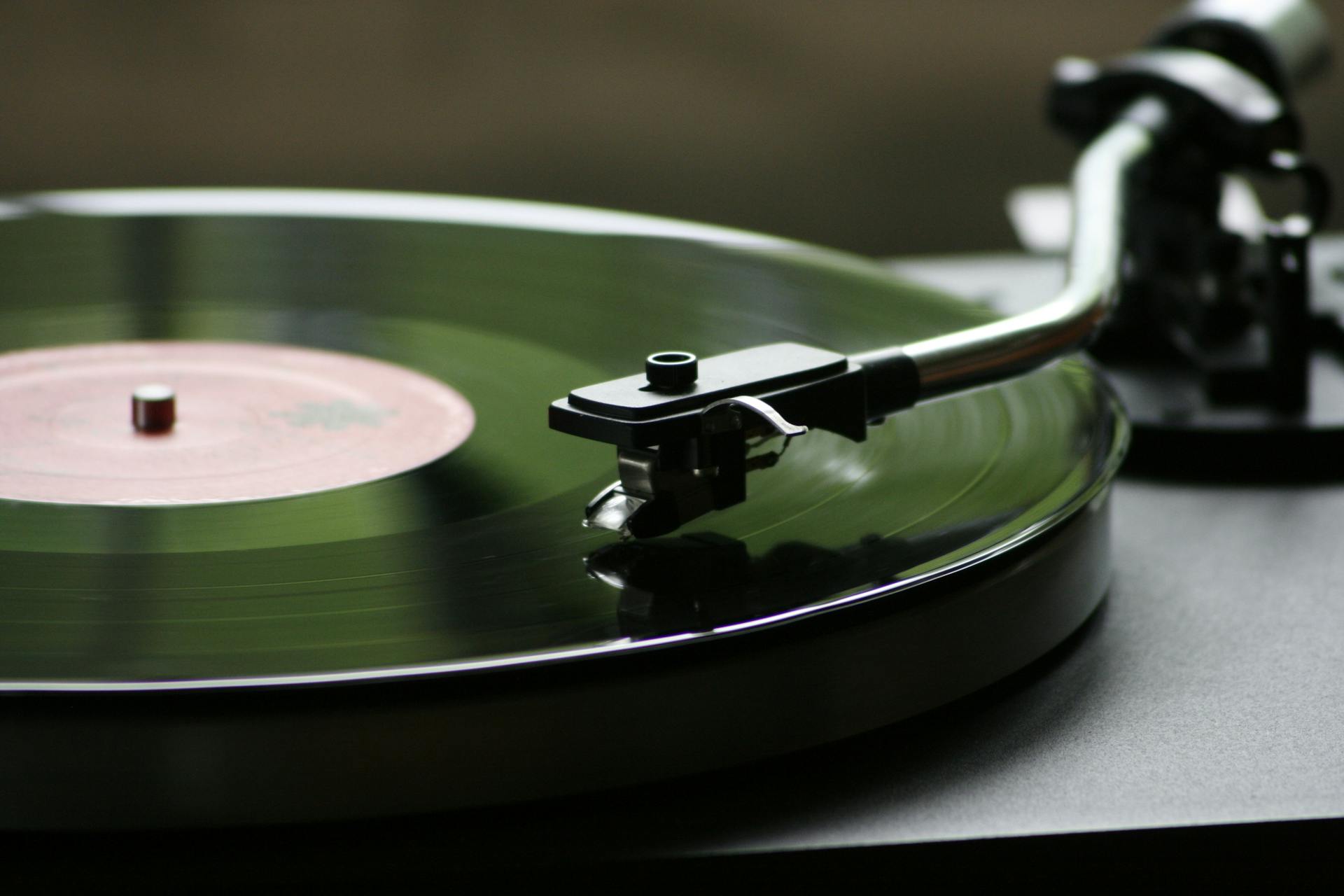
Opera RK · A new standard for listening
A record you
hold once.
Then it’s ash.
CFT — the Consumable File Token. Music bound to a physical object and a self-destructing key. You may listen one time. After that, the recording is gone forever — and all that remains is the object in your hand and the proof that you were there.
The problem
Streaming made music infinite, and therefore weightless.
When everything is available, always, for almost nothing, the act of listening loses its edges. Songs become wallpaper. We skip before the second chorus. The price of a play spiralled to zero — and so did our attention.
CFT asks a heretical question: what if a recording could be scarce again? Not the ownership of a file — the experience of hearing it.

Feel it
Press play, and you spend it.
A demonstration, not the real thing — but it is exactly how a CFT behaves. Once consumed, the decryption key is destroyed and the recording can never be played again. What remains is the object you hold and the proof, on-chain, that you were there.
The life of a CFT
Four states. One of them is permanent.
A CFT moves through a one-way lifecycle written into the standard. You can trade it, hold it, gift it — but you can only ever cross the final threshold once.
The music is encrypted and bound to a physical object. It has never been heard. It is yours to keep, trade, or gift.
While sealed, it changes hands freely on the open market. The artist earns a royalty every time it does. The tension grows: listen, or pass it on?
You decide to listen. A single decryption is authorised. The music plays — start to finish, unpausable, unrepeatable.
The key is destroyed; the recording can never play again. The token lives on as proof you heard it — a relic you can still hold and trade.

A thing you can hold
Not a link. An object.
Every CFT is embodied in a physical artefact — a chip, a pressing, an object Philipp and Opera RK design as carefully as the music. A tamper-resistant secure element inside it holds a key that can never be copied out.
- ◷Physically backedThe object is the key. Built on the Physical Backed Token model — the chip cryptographically proves authenticity, with no middleman.
- ⊘Non-extractableThe private key is generated and sealed inside the secure element. It signs, but it never leaves.
- ✶The ritual of the tapTo listen, you bring the object to your player. Presence is required. Listening becomes an act again.
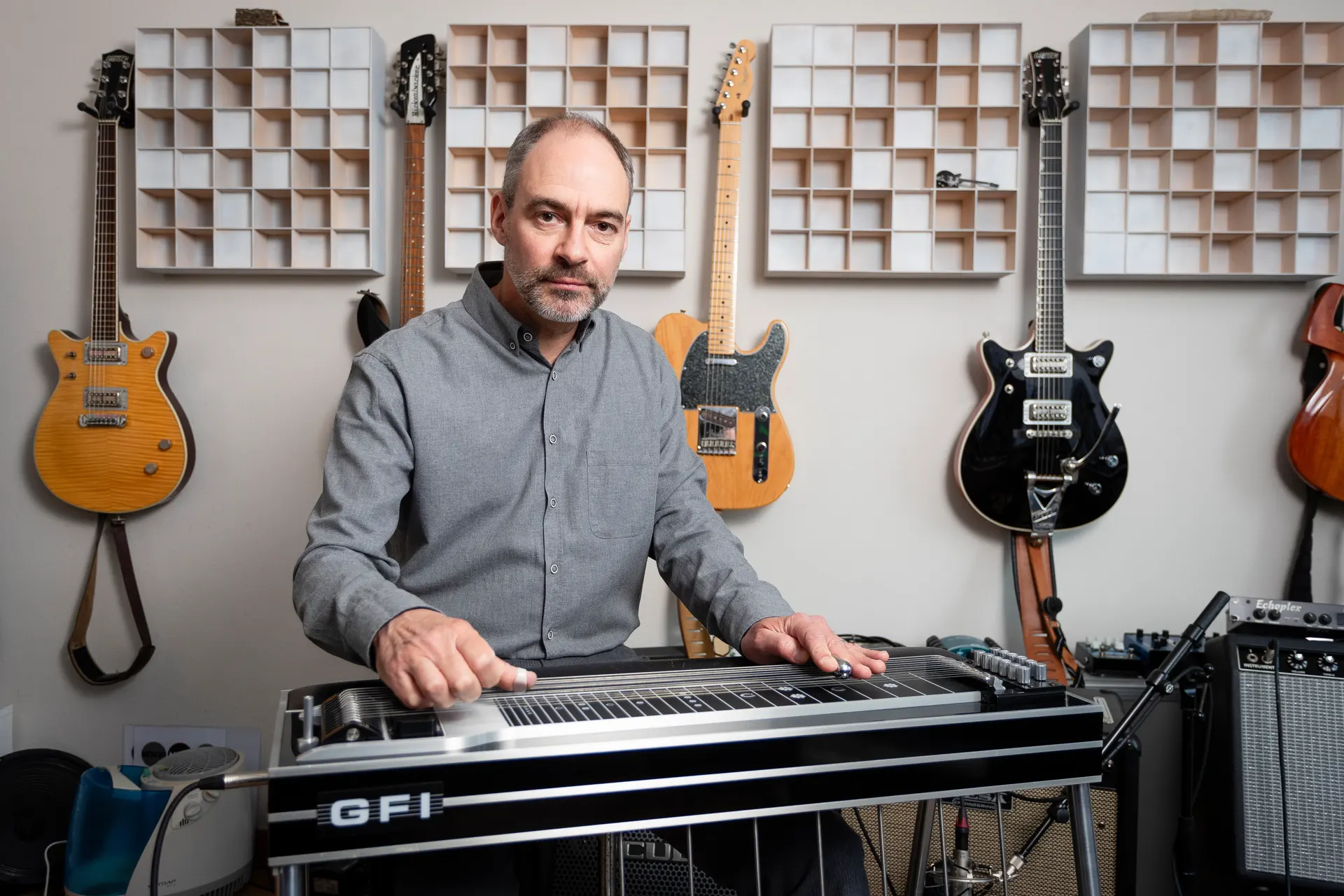
The first listen belongs to one musician
Philipp Zürcher
A Swiss musician releasing the first work ever issued as a CFT. Not a single, not an album — a piece of music engineered to be heard once, by one person at a time, and then to pass into memory.
“I want you to be unable to take it for granted. To know, while it plays, that it is leaving.”
The standard · CFT v1.0 draft
We didn’t invent the cryptography. We composed it — and added the one missing piece.
A deep prior-art review confirmed it: no existing token standard destroys itself after a single use. CFT stands on proven building blocks and contributes the genuinely new layer — a consume-once, self-destructing key. It is being written as an open, formal EVM standard. Free for any artist to use.
A lineage, not a gimmick
Art has always flirted with disappearance.
CFT extends a recognised artistic tradition — scarcity and impermanence as the work itself — into sound, and onto the chain.

Join the debate
How should we
listen now?
CFT is a provocation as much as a product — a question about attention, value, and what we owe the music we love. Be there for the first listen, and help shape the standard.
Hard questions, honest answers